By Dr. Elsa M. Orlandini, Psy.D.
Licensed Psychologist | Miami Beach & Miami, Florida
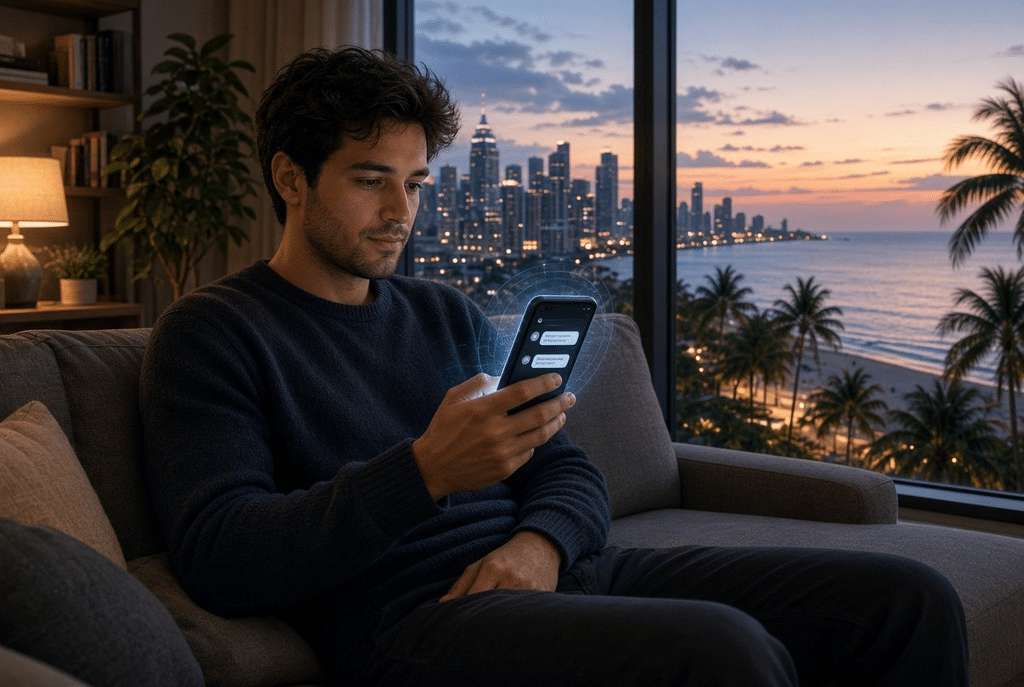
In high-pressure cities like New York and Miami, the most talked-about psychology trend of 2026 isn’t a new therapy modality or medication. It’s the sudden, widespread habit of opening up to AI chatbots for emotional support, relationship advice, and late-night venting. What started as curiosity has become a daily ritual for millions—especially younger adults navigating loneliness, anxiety, and the cost of traditional care.
The American Psychological Association flagged “AI chatbots and digital companions reshaping emotional connection” as one of the nine defining trends to watch in 2026. Surveys now show that roughly one in three generative AI users turn to these tools for mental health support, with the figure rising to nearly half among those in severe distress. In both New York and Miami, this trend is colliding with urban stressors, youth mental health challenges, and growing state regulations. As a psychologist with over 25 years of experience in Miami Beach, I see both the appeal and the risks every day.
The Data Behind the AI Confidant Boom
Multiple 2026 studies paint a consistent picture. One survey found 29.3% of AI users sought emotional support or mental-health assistance, most often for personal advice (63%), relationship advice (46%), or managing emotions like anger, sadness, or worry. Among those with severe distress, nearly 47% had used AI this way. Teens and young adults are especially engaged: nearly 1 in 5 Americans aged 12–21 have used a chatbot for advice when feeling sad, angry, or stressed, and rates are rising year over year. (Sources: Cyberpsychology study via Healio; APA 2026 Trends)
An APA survey of more than 1,200 psychologists found that 77% had spoken with patients who use AI for support, self-diagnosis, or between-session guidance. In New York, new laws already require AI companions to detect suicidal ideation and remind users every few hours that they are talking to a machine. Florida is moving in a similar direction. The technology is here, and cities with high living costs and busy schedules are adopting it fastest.
Why New York and Miami Are Ground Zero
New York City’s combination of density, high provider concentration in Manhattan (but shortages elsewhere), and persistent unmet need (roughly 945,000 adults) makes quick, free digital support attractive. Youth data show 34.1% of public high school students still report prolonged sadness or hopelessness. Miami and broader Florida trends show elevated anxiety among Gen Z, clear links between heavy social media use and anxiety scores, and the reality that even the Sunshine State experiences seasonal mood dips. Multilingual, always-available chatbots fit the cultural and logistical realities of both cities.
Many clients I see in Miami Beach mention experimenting with AI for relationship questions or anxiety spirals before booking individual therapy or couples counseling. The accessibility is undeniable. The limitations are equally real.
What Psychologists Are Watching Closely
Research shows small average reductions in depressive and anxiety symptoms from some chatbot interventions, but these are not substitutes for licensed care. Risks include emotional dependency, validation of unhelpful beliefs, privacy concerns, and the absence of true clinical judgment during crises. Studies on AI companions document grief when models update or shut down, and cases of worsened isolation or distorted thinking. The APA is clear: AI is not a safe or effective replacement for a qualified mental health provider.
Hybrid approaches—where AI supports skill practice between sessions with a human therapist—show more promise. For anxiety and panic, evidence-based work with a trained psychologist remains the gold standard. Learn more about specialized anxiety and panic treatment or family therapy when digital tools fall short.
Checklist: Using AI for Mental Health Support More Safely
If you or someone you care about is turning to AI chatbots, review this checklist:
☐ Use AI for information or skill practice, not as your only source of support during distress
☐ Watch for signs of dependency (checking the chatbot constantly or feeling grief when it changes)
☐ Cross-check any “advice” with a licensed professional, especially for relationships or anxiety
☐ Know the crisis resources (988) and never rely on a chatbot for active suicidal thoughts
☐ Protect privacy—avoid sharing highly identifying or sensitive personal details
☐ Consider scheduling a human consultation if symptoms persist or worsen
AI can be a helpful tool. It is not a therapist.
Video Resource
[Video Placeholder – Link to be added] Watch a short discussion on the AI mental health trend, risks, and practical guidance for people in New York and Miami. (Video link will be inserted here.)
Frequently Asked Questions
1. Is talking to an AI chatbot helpful for anxiety or loneliness?
It can provide temporary relief and a sense of being heard, and some studies show small symptom reductions. However, effects are modest, and there are documented risks of dependency and missing important clinical signs. It works best as a supplement, not a replacement.
2. Why is this trend especially visible in New York and Miami?
High living costs, busy schedules, residual pandemic effects on youth mental health, and large young professional populations make 24/7 free support appealing. Both cities also have active regulatory conversations about AI companion safety.
3. When should I see a real psychologist instead?
If symptoms last more than a couple of weeks, interfere with work or relationships, involve panic, intimacy issues, or family conflict, or if AI use is making you feel worse or more isolated, it is time for human care. We offer both in-person and secure virtual sessions throughout Florida.
4. Can AI replace couples or family therapy?
No. Relationship dynamics, attachment patterns, and family systems require skilled facilitation that chatbots cannot provide. Specialized relationship therapy remains the evidence-based path.
Sources
1. American Psychological Association. What’s ahead for psychology? 9 trends to watch in 2026.
2. APA Chatbots and Mental Health Survey (via EurekAlert), 2026.
3. Healio. One-third of users employ AI for mental health support, November 2026.
4. The Conversation / Florida anxiety survey, 2025.
Our Services
Our Services include:
Individual Therapy & Psychotherapy
Couples Therapy & Relationship Counseling
Take the First Step
Schedule a Consultation | Contact Us
We offer in-person sessions in Miami Beach, FL and Miami, FL, as well as secure virtual sessions for clients throughout Florida.
— Dr. Elsa M. Orlandini, Psy.D. and the Miami Psychology Group Team